The Working Dog

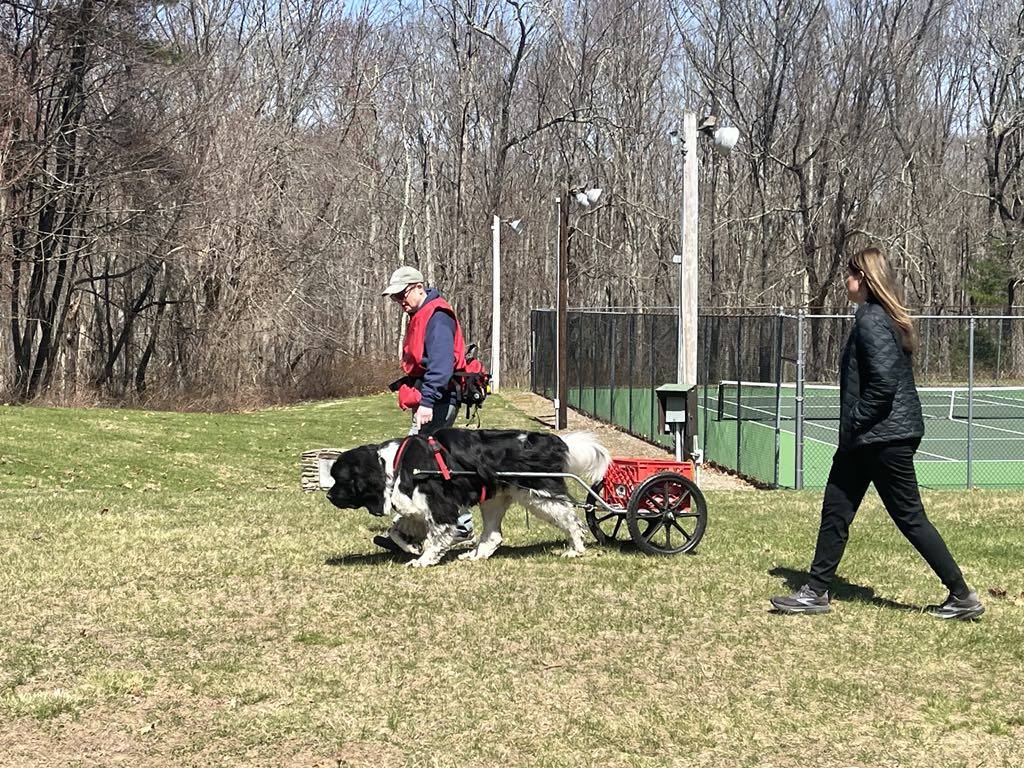
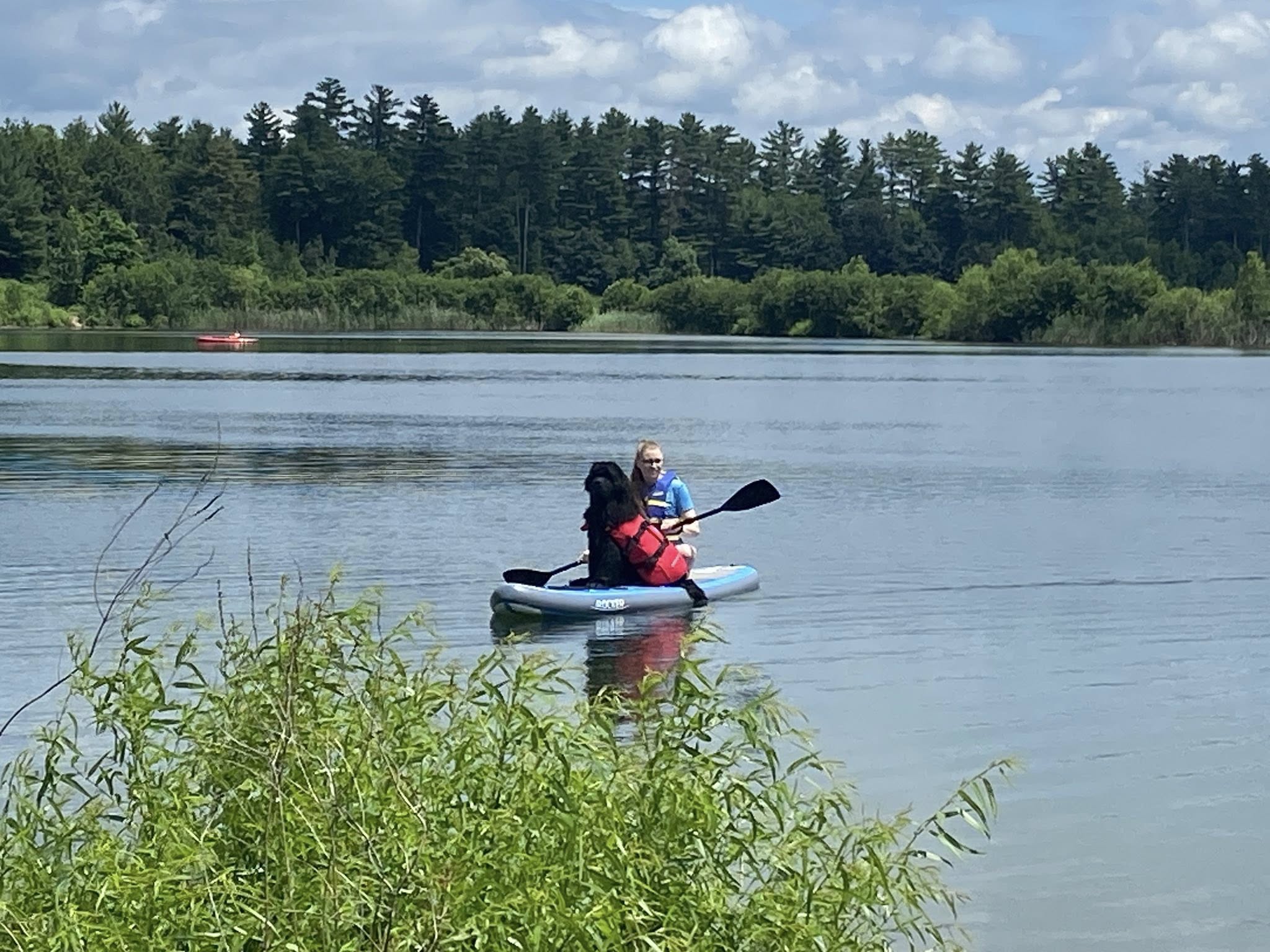
The Newfoundland was built to work. Historically the breed hauled fishing nets and carted fish into town, and that same physical strength and natural instinct for water rescue hasn't gone anywhere.

The Newfoundland Club of America has developed a series of exercises to bring those abilities forward in a structured way, including the NCA Water Test and the NCA Draft Test.

Both tests emphasize teamwork between dog and handler and the dog's willingness to work, rather than precision performance alone.

NCNE hosts water and draft tests each year and encourages members to pair their Newf's natural ability with training to meet the demands of both.

Seminars and clinics are offered periodically to help members work with their dogs across a range of activities including obedience, tracking, agility, freestyle and more.

NCNE also organizes events that are purely about getting out and enjoying your dog, including hikes, parades and picnics where Newfs and their people can just be together.
Conformation

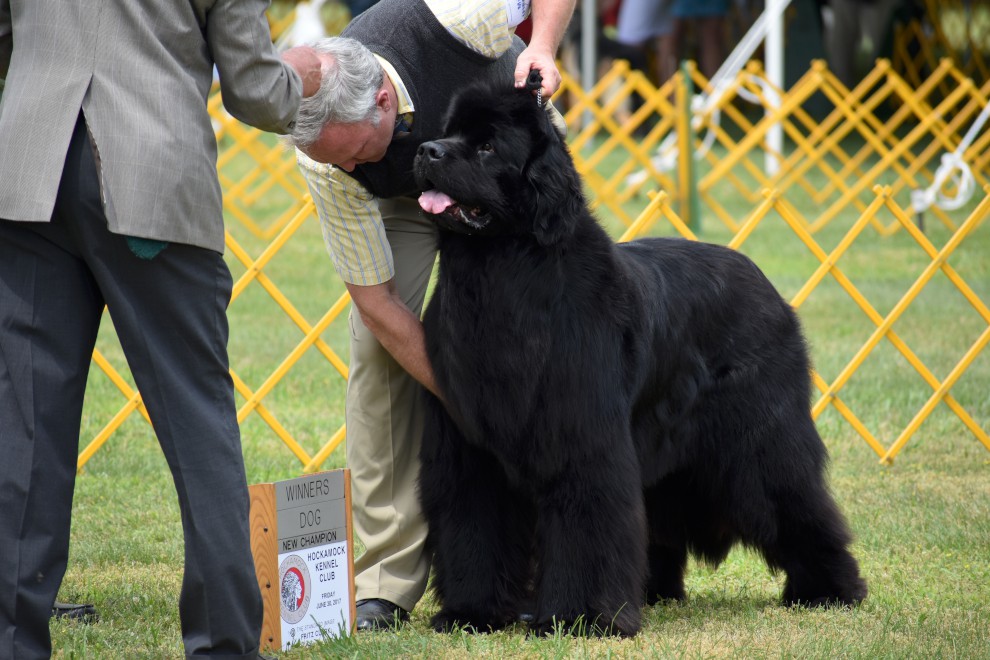
Conformation is the sport of evaluating a dog against the official breed standard, a detailed set of specifications that defines what the ideal example of that breed looks, moves, and carries itself like. Dogs are judged by how closely they conform to that standard, not against each other.

To earn the title of Champion, a dog must accumulate a required number of points across multiple shows, including wins at two "major" shows, meaning competitions with a larger pool of entered dogs. It's a structured, rules-driven process that rewards dogs who most closely represent the best of their breed.
NCA Water Tests

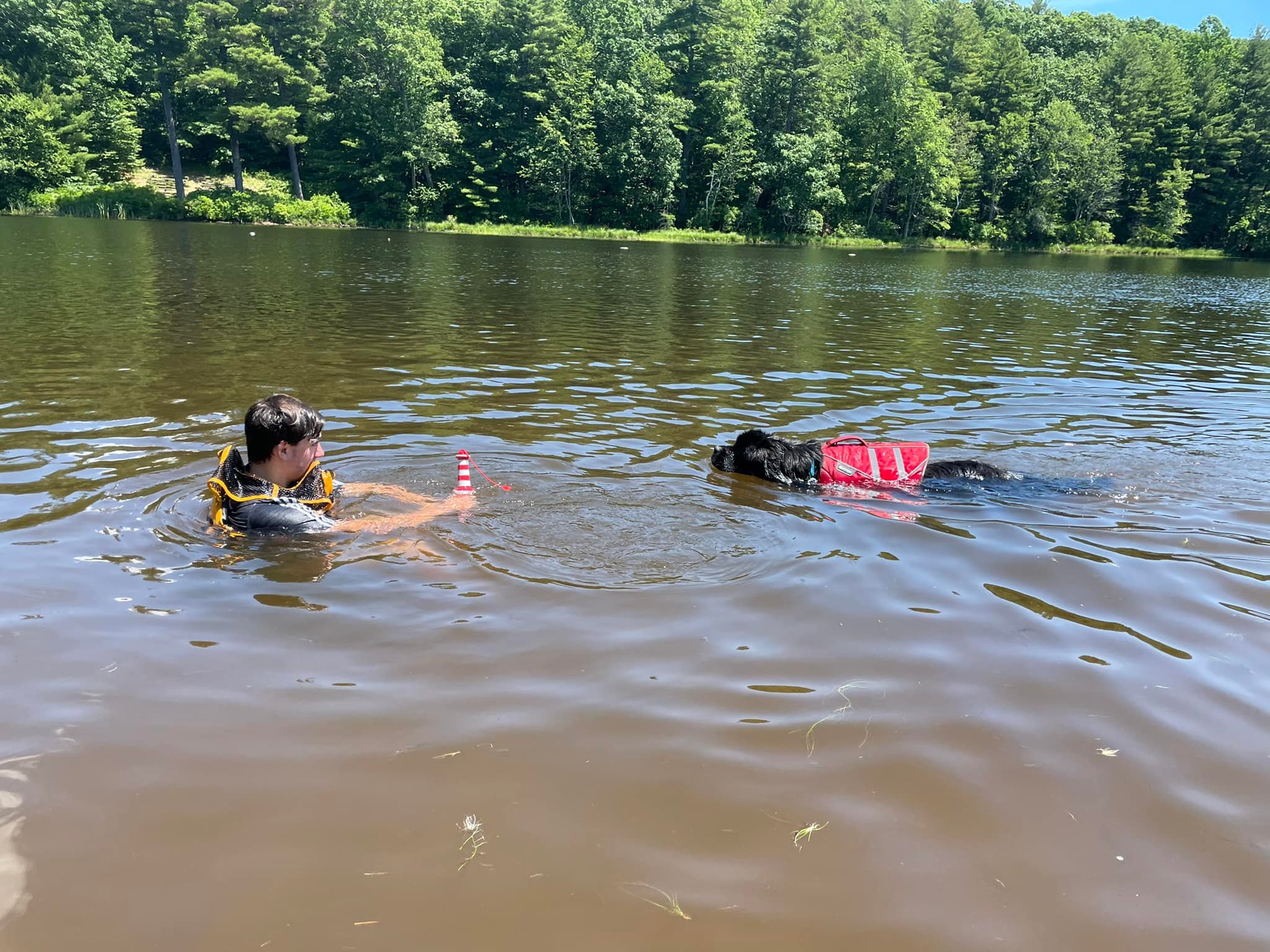
The Newfoundland was bred for the water. The breed has a long history of working alongside fishermen and participating in real open-water rescues, and the NCA Water Tests exist to develop and demonstrate those instincts in a structured setting.

The tests are built around teamwork between dog and handler in realistic work and rescue situations. The focus is on the dog's willingness, natural ability and trained cooperation rather than precision or competition against other dogs. Efficiency matters, and so does the dog's evident enjoyment of the work.

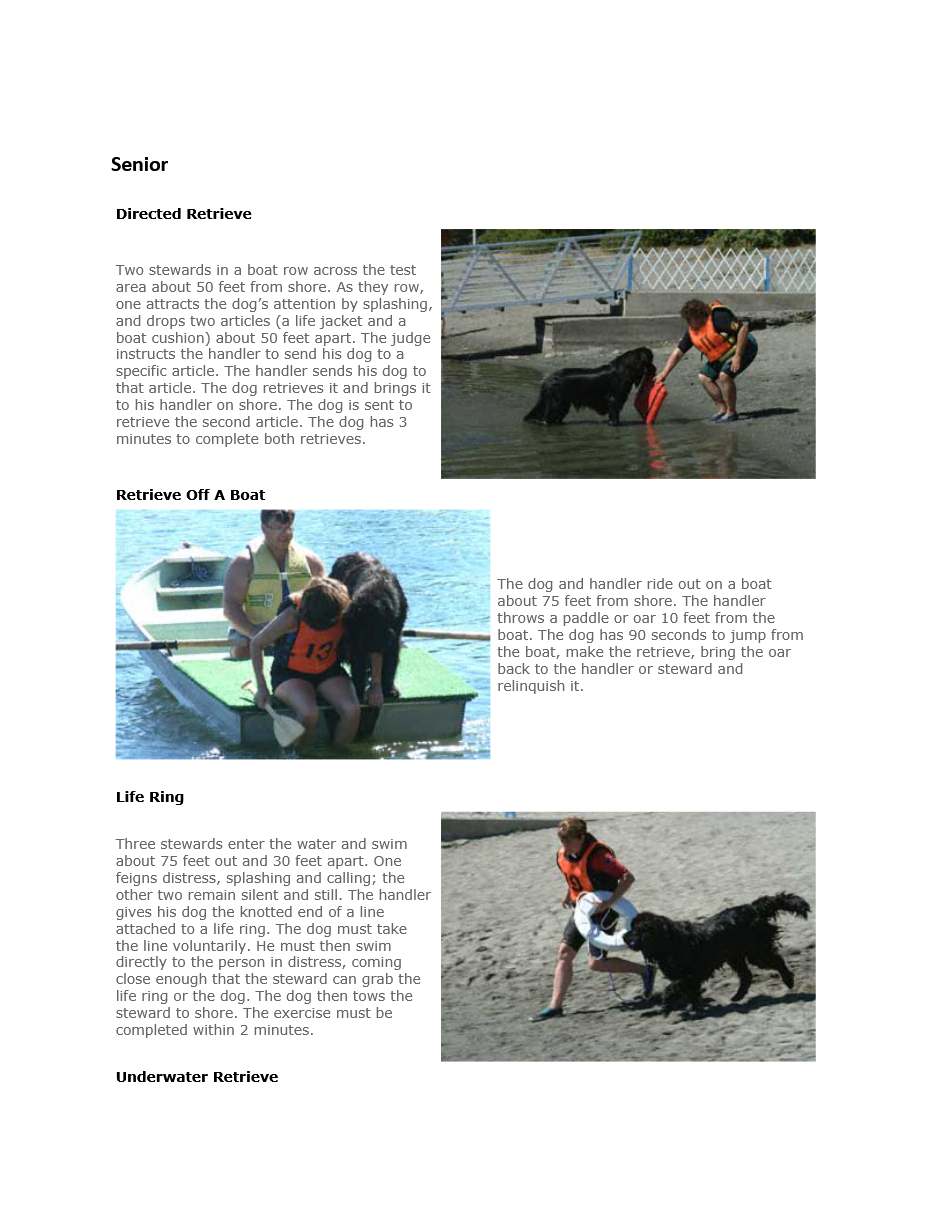
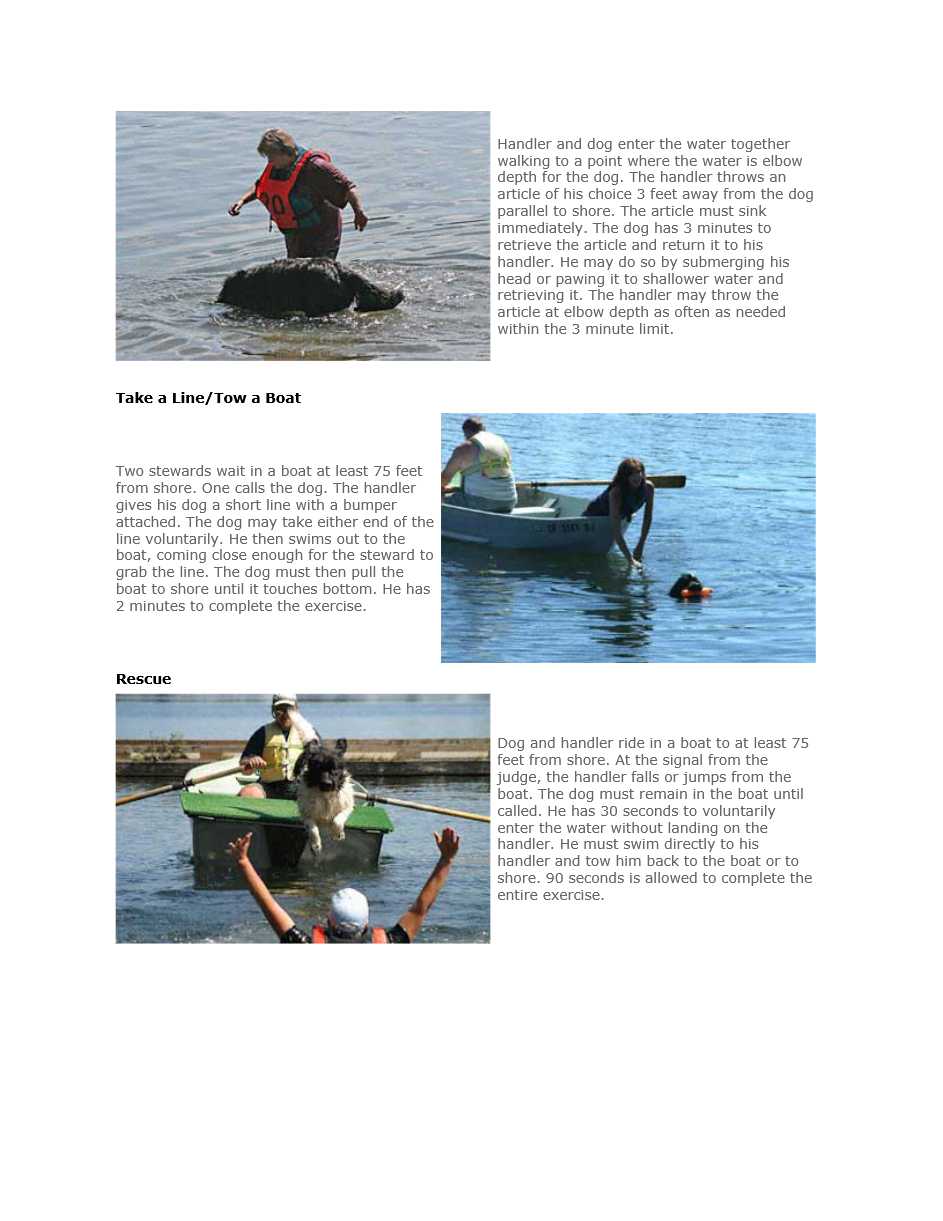
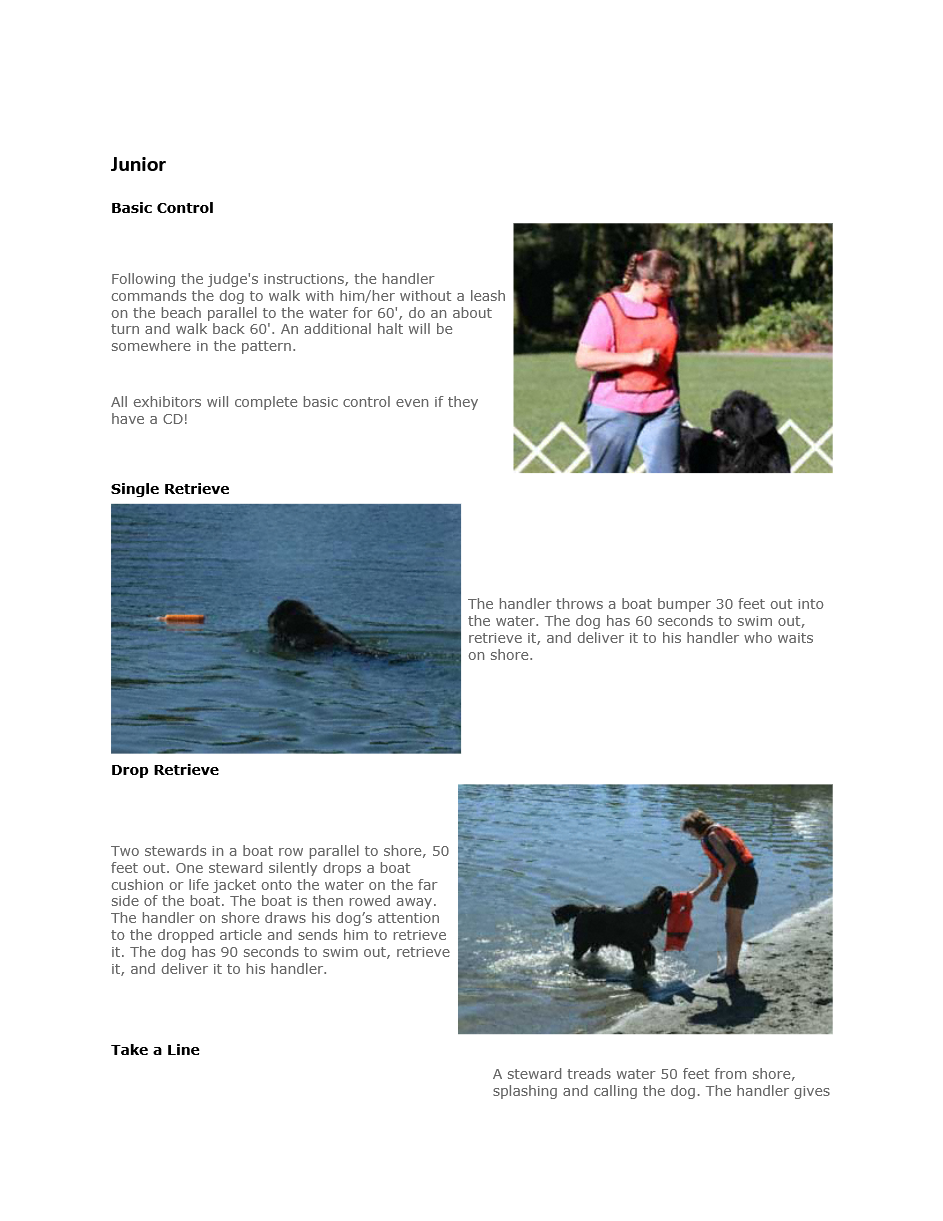
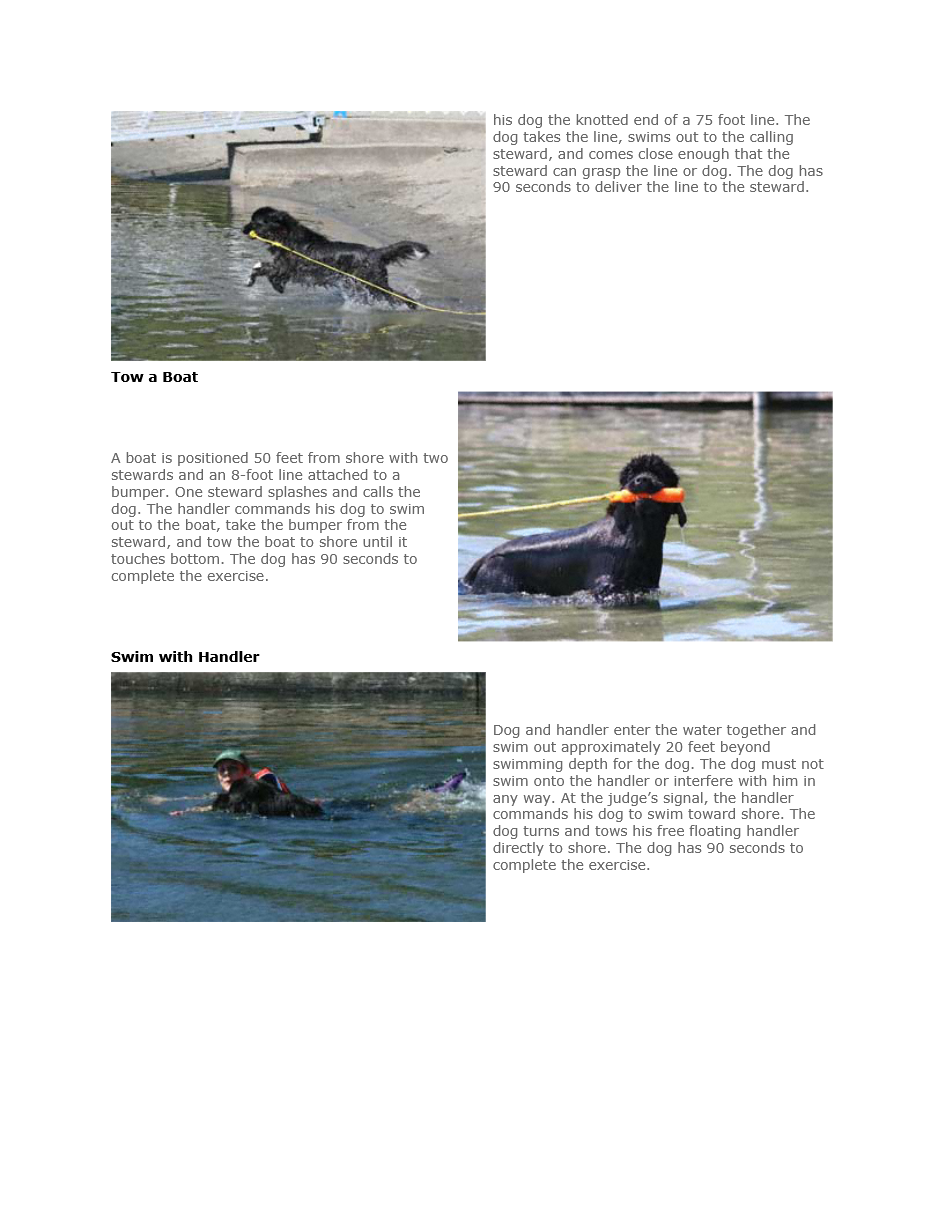
The Water Test includes two divisions, Junior and Senior, each consisting of six exercises. Every exercise is pass or fail with no point system, and all six must be passed to earn a title. A dog completing the Junior division earns the title of Water Dog (WD). Completing the Senior division earns the title of Water Rescue Dog (WRD).
NCA Draft Tests

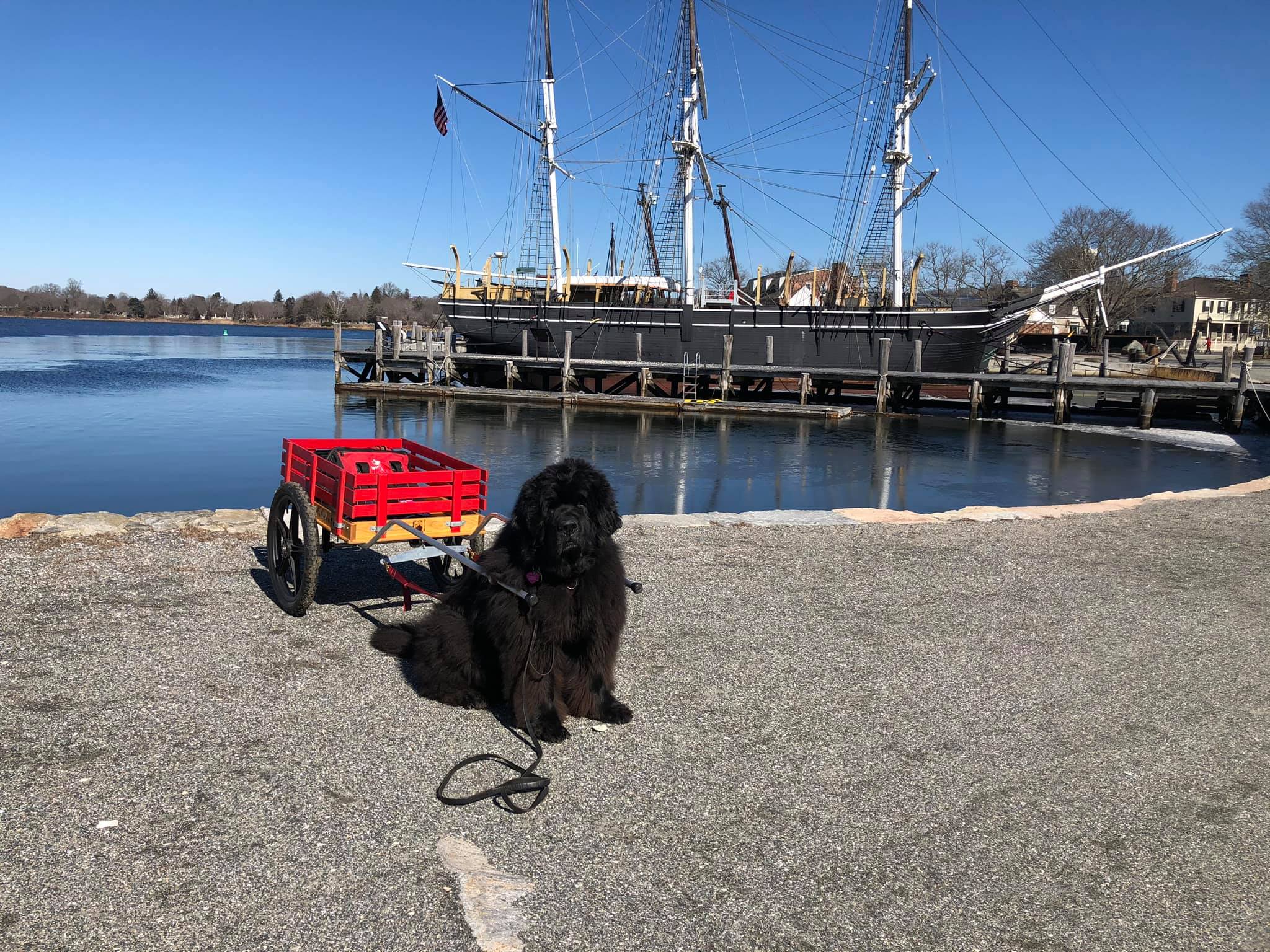
The Newfoundland has a deep history as a draft dog, hauling loads and working alongside people in practical land-based situations. The NCA Draft Tests are designed to develop and demonstrate those abilities in a structured setting, with emphasis on teamwork, willingness and the dog's natural capacity for independent work in cooperation with a handler.

The Draft Test consists of six exercises, all pass or fail with no point system. All six must be passed to earn the title of Draft Dog (DD). Dogs that have each earned a DD title may enter the Team Division, where two or more dogs share a single cart and work under one handler through all exercises including Basic Control. Each dog on a successful team earns the title of Team Draft Dog (TDD).

Specialty Carting

Specialty Carting is a beginner-friendly entry point into draft work, open to Regional clubs to hold at fun days, draft tests or as a standalone event. There is no formal application process or fee to host the event. Regional clubs notify the WDC draft records coordinator with their date, location and judge, then report results after the event.

The division offers both on-lead and off-lead options and does not require a freight haul or weighted cart, making it accessible for dogs and handlers just starting out. For those who want to build toward a full draft test, it serves as a natural first step. For those who prefer to stay at this level, it stands on its own as a worthwhile goal.
Thera-Newfs

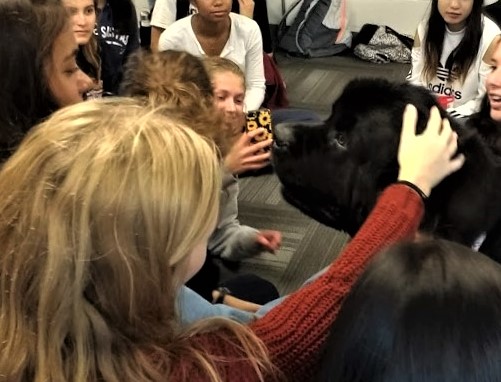
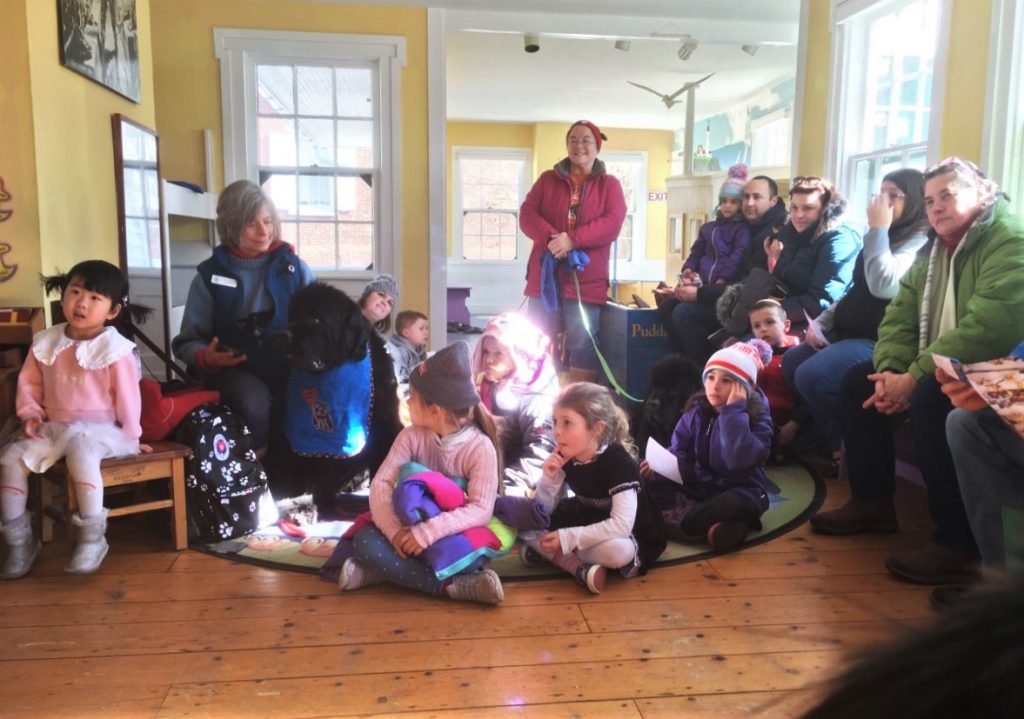
Thera-Newfs is a committee of the NCNE built on a simple but powerful belief: the bond between humans and animals is mutually beneficial. Through intentional interactions with our Newfoundlands, we can meaningfully improve the well-being of others.

Our Mission

We maintain an up-to-date database of NCNE members who are active in pet therapy, so that teams can be easily identified and connected with those who need them. That database is managed by the committee chair or their designee.

Our registered volunteer teams serve as a ready resource for pet therapy requests received by the NCNE, whether from hospitals, schools, care facilities, or community organizations.

We also provide ongoing support and education to our registered teams, as well as to any NCNE member who is curious about getting involved in therapy work.

At its heart, Thera-Newfs is about community, bringing together members who share a passion for using their dogs to make a difference.

Member Eligibility

To participate, the dog's owner or co-owner must be an NCNE member in good standing. The team must also be registered with a nationally recognized pet therapy agency that evaluates, registers, and insures handler-and-dog teams.

Thera-Newfs Annual Award

In recognition of the dedication shown by our pet therapy teams, the NCNE proudly presents an annual award to teams that bring comfort to others through 20 or more visits per year. Awards are presented at the NCNE Annual Meeting each June.

Teams already recognized by the AKC at any level of pet therapy work automatically qualify for the first year award.

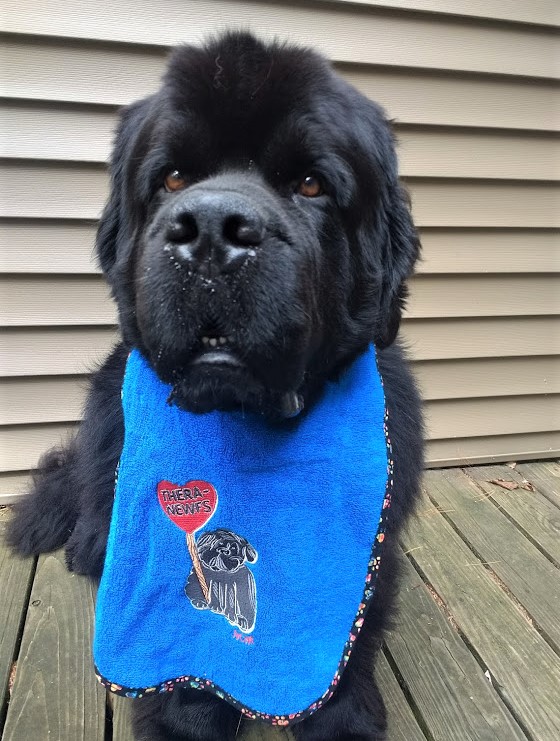
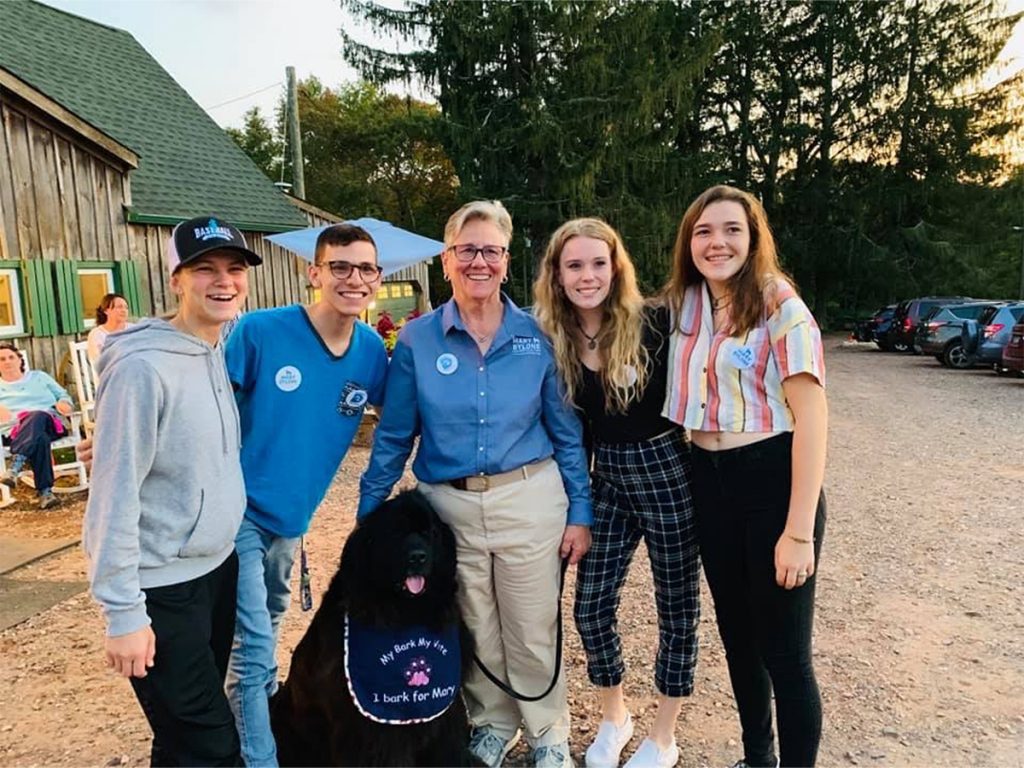
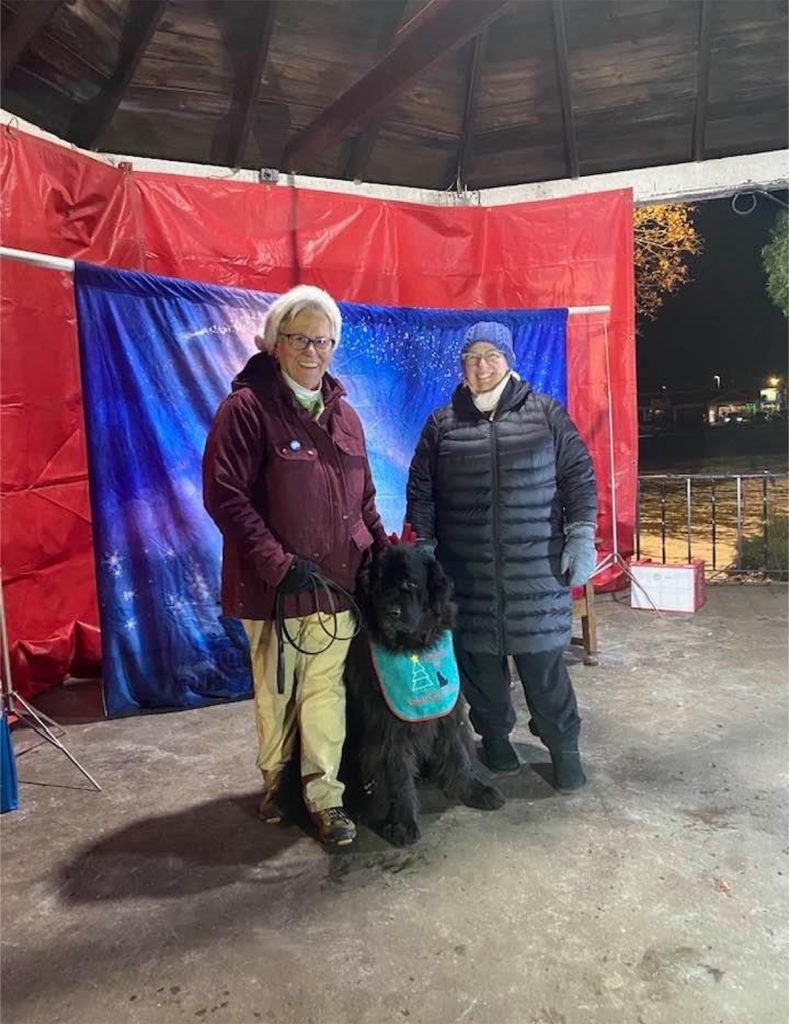
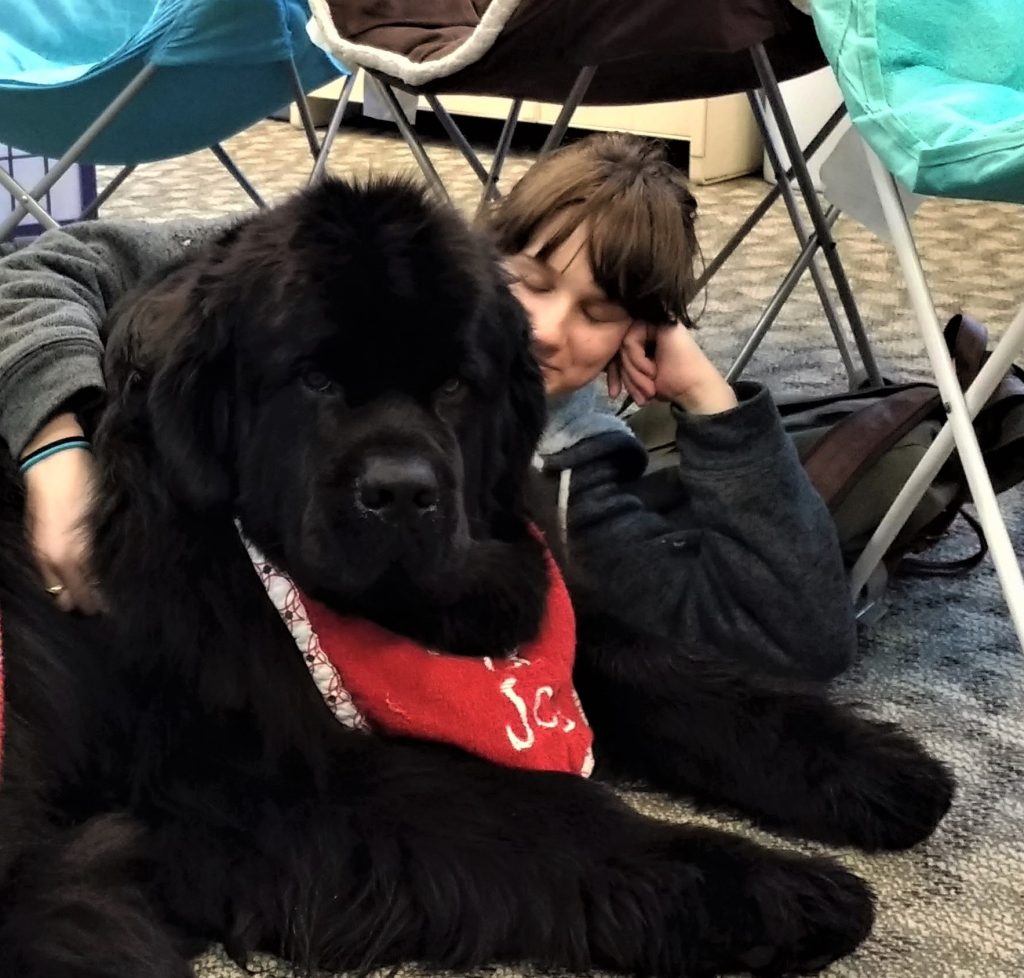
First-time recipients will receive a beautifully embroidered bib featuring the Thera-Newfs logo (as modeled by the very distinguished Wrigley). Teams earning the award in subsequent years will receive an embroidered tee-towel, also known as a drool rag, also featuring the Thera-Newfs logo.

Award Criteria
  • Handler and owner/co-owner must be an NCNE member in good standing.

  • The team must be registered with a nationally recognized pet therapy agency that evaluates, registers, and insures the team.

  • Team must complete 20 visits during the calendar year from January 1 through December 31.

  • Handler agrees to submit a photo, article, or comment about their pet therapy work for use in NewfPrints and/or the NCNE website.

  • Handler/owner must complete and submit the visit log form to the committee chair by March 1 for the award to be presented at the Annual Meeting in June.

  • NCNE member dogs already recognized as therapy dogs by the AKC are automatically eligible for the Thera-Newfs annual award. Simply submit proof of your AKC title, such as a copy of the certificate or other appropriate documentation, along with your visit log.

Submit completed documentation to:

Laurel Rabschutz by email at Newfdance@hotmail.com

-Or-

By mail to:

256 Jared Sparks Road, Willington, CT 06279.


Getting Started:

Involvement in pet therapy work can be deeply rewarding for both you and your dog, but becoming a successful team takes planning and preparation. To get started, review the registration requirements for pet therapy organizations active in your area. To be part of the NCNE Thera-Newfs program, you and your dog must be registered with an agency that provides evaluation, registration, and insurance coverage for your visits.

Is Your Dog a Good Candidate?

Most Newfoundlands are well-suited for therapy work, but every dog has a unique personality. A good candidate enjoys interacting with all types of people, is healthy, and has reliable basic obedience skills. The dog should also be comfortable around other dogs, able to calmly accept attention from strangers, and at ease in a variety of environments. Equally important is the ability to handle clumsy petting, noise, and chaotic situations without distress and to look to their handler for guidance and support.


The Handler’s Role

The human half of the team carries just as much responsibility. A good handler understands their dog’s body language, especially signs of stress or anxiety, and responds with praise, encouragement, and reassurance.

They can cue or redirect behaviors as needed, stay focused on their dog while still engaging warmly with the people they visit, and always act as an advocate for their dog’s well-being. Handlers are expected to conduct themselves professionally and follow the practices and policies of their registering agency.

No team is perfect, and that is completely okay. What matters is knowing your dog’s weak points and dislikes so you can make smart choices about the types of visits you take on.


Preparing Your Dog

Start by socializing your dog in as many different locations as possible. Even a quick five-minute walk through an unfamiliar area can be valuable. As your dog grows more comfortable, gradually introduce additional stimuli like a noisy playground or an outdoor event. If your dog shows signs of discomfort, take a step back and work in a less stressful environment before building up again.

Check your local training center or obedience club for classes designed to prepare teams for pet therapy work. If none are available, a family dog or cross-training class can be a great alternative. Let the instructor know you are working toward a therapy evaluation so they can help you focus on the right skills.


Nose Work

K9 Nose Work is a scent detection activity developed by Ron Gaunt, Amy Herot and Jill Marie O’Brien, drawing on their backgrounds in professional canine detection work. The goal was straightforward: give pet dogs and their people a practical, enjoyable way to develop real scent detection skills. Dogs learn to search for a specific odor, locate the source and get rewarded by their handler with food or a favorite toy.

The activity introduces four search elements: container, interior, exterior and vehicle. Dogs build hunt drive and foundational search skills across all four, progressing toward more complex scenarios including blind hides, multiple hides in a single area and, at higher levels, an unknown number of hides. Handlers develop observation and timing skills alongside their dogs throughout the process.

Target odors used in K9 Nose Work are birch, anise and clove, though dogs can progress through the activity searching for food or a toy reward instead. Most dogs spend several months to a year working on primary reward before a target odor is introduced, building drive, stamina and confidence across a range of environments before raising the stakes.


Why It Works for Newfs

K9 Nose Work is low barrier and high reward. It requires no prior obedience training, dogs work one at a time and the activity translates well to reactive, shy or high-energy dogs. Searches can be done almost anywhere, and changing hide placement or weather conditions alone can make each session feel completely different.


Classes and Workshops

Classes are offered by independent Certified Nose Work Instructors (CNWI) and typically meet once a week. Topics covered include starting on primary reward, introducing target odors, searching all four elements, leash handling and improving observation skills. Workshops and seminars hosted by NACSW founders and faculty are also available for more immersive learning. Find a certified instructor near you at k9nosework.com.


Competition

The sport of K9 Nose Work offers timed, blind searches across all four elements in real-world settings. Competition is run through the National Association of Canine Scent Work (NACSW). It is worth evaluating the environment before entering a trial, as factors like tight search areas, uneven terrain or nearby noise can be a consideration depending on your dog. Mock trials, advanced classes and training groups offer trial-like experience for teams that want to build skills at their own pace. Learn more at nacsw.net.


Freestyle and Heelwork to Music

Freestyle and Heelwork to Music (HTM) are performance sports where dogs and handlers work together to music, combining trained moves, heelwork positions and choreography into a routine. The emphasis is on partnership, creativity and the dog’s willingness to work alongside and independently from its handler.

HTM uses eight recognized heelwork positions, with dogs learning to maintain position, change direction and perform movements on both sides of the handler. Freestyle opens that up further, incorporating props, distance work and a wider range of moves that showcase what a well-trained dog and committed handler can do together.


Training for these sports starts early. A Freestyle dog needs strong socialization foundations, exposure to unpredictable environments, varied surfaces, crowds and noise, and the confidence to perform away from the handler without relying on eye contact or body language for reassurance. The training builds that independence gradually, using reward-based methods that keep the dog motivated and engaged.

Newfoundlands are natural performers with strong handler focus and a calm, trainable temperament that suits this kind of partnership work well. If you’re curious about getting started, NCNE holds periodic seminars and clinics to help members explore working events including Freestyle.


Obedience Work

Obedience trials demonstrate the value of a well-trained dog as a companion, evaluating dogs that have been trained to behave reliably at home, in public and around other dogs. AKC obedience titles are earned at licensed or member club trials, with each level building on the last.

Companion Dog (CD): Earned after receiving qualifying scores in Novice classes at three trials, certified by two different judges.

Companion Dog Excellent (CDX): Earned after qualifying scores in Open classes at three trials under two different judges. Requires a CD title first.

Utility Dog (UD): Earned after qualifying scores in Utility classes at three trials under two different judges. Requires a CDX title first.

Utility Dog Excellent (UDX): Requires qualifying scores in both Open B and Utility B at 10 trials after earning the UD title.

Obedience Master (OM): Awarded when a dog accumulates 200 OM points earned by scoring 190 or better in Open B and Utility B. A numeric designation follows the title up to OM10.

Grand Master (OGM): Awarded when a dog earns the 10th level of the Obedience Master title. Awarded once.

Obedience Trial Champion (OTCH): Requires 100 points, a first-place win in both Utility B and Open B, plus a third first-place win in either class under three different judges.

National Obedience Champion (NOC): Awarded annually to the winner of the AKC National Obedience Invitational. The NOC designation precedes the dog’s registered name permanently.


What Is Rally?

Rally bridges the AKC Canine Good Citizen program and the worlds of obedience and agility. Teams move through a course of 10 to 20 stations at their own pace, with communication between dog and handler encouraged throughout. Scoring is less rigorous than traditional obedience and the goal, as with obedience, is a dog that behaves well in any environment and reflects positively on the sport.

AKC Rally has three levels. Novice (RN) is on leash with 10 to 15 stations. Advanced (RA) is judged off leash for dogs that have completed their Novice title. Excellent (RE) is the highest level, featuring 15 to 20 stations including two jumps, open to dogs that have earned their Advanced title.